The charm of miniature worlds captivates our imagination, offering a whimsical escape into detailed landscapes and bustling cities. Drawing tiny environments allows artists to explore intricate designs, create narratives, and experiment with scale. Whether you’re sketching a quaint village, a sprawling cityscape, or a serene natural landscape, the process can be both rewarding and fun. In this article, we’ll delve into the art of creating miniature worlds, providing tips and inspiration to help you bring your tiny visions to life and what to draw.
The Allure of Miniature Worlds
Miniature worlds have a unique allure that draws people in. They invite viewers to step into a different realm, where every detail matters and storytelling is rich. From model train sets to dollhouses and dioramas, these small-scale representations can evoke nostalgia and wonder. Drawing tiny landscapes and cities allows you to harness that magic, creating scenes that tell stories and spark the imagination.
Tools and Materials
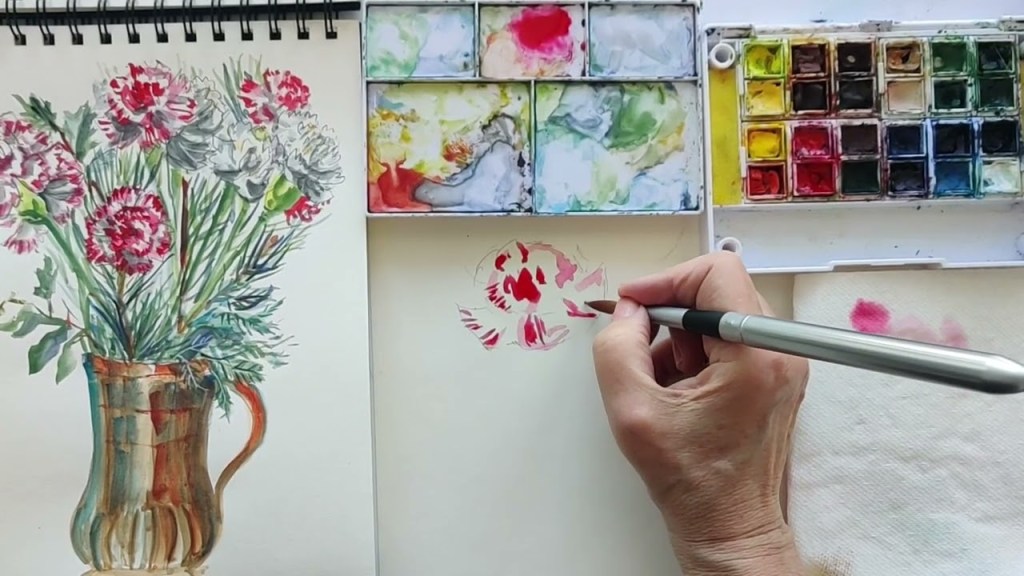
Before you start sketching, gather your materials. While you can create miniature worlds with just a pencil and paper, consider adding these tools to enhance your drawings:
- Sketchbook: A dedicated sketchbook allows you to keep all your miniature world ideas in one place.
- Pencils and Erasers: Use these for initial sketches and corrections.
- Fine-tipped Pens: Great for outlining and adding details.
- Colored Pencils or Markers: Perfect for adding vibrant colors to your landscapes and cities.
- Ruler: Useful for creating straight lines, especially in cityscapes.
Drawing Tiny Landscapes
Creating miniature landscapes is an enjoyable way to explore nature’s beauty in a compact format. Here’s how to approach drawing a tiny landscape:
1. Choose Your Scene
Decide on the type of landscape you want to create. Options include:
- Forests: Think about trees, paths, and wildlife.
- Mountains: Consider adding slopes, valleys, and clouds.
- Rivers and Lakes: Incorporate water features, with reflections and surrounding flora.
2. Sketch the Basic Shapes
Start by sketching the basic shapes of your landscape. Use light pencil strokes to outline hills, trees, and bodies of water. Keep the proportions playful—exaggerate certain features for added charm. For instance, make trees larger than life or create a curvy river that flows whimsically through the scene.
3. Add Details
Once you have your basic shapes, it’s time to add intricate details. Here are some elements to consider:
- Textures: Use short, curved lines to represent grass, leaves, and bark. Incorporate dots or cross-hatching for texture on rocky surfaces.
- Wildlife: Include tiny animals like birds, rabbits, or deer. Keep them small to maintain the miniature effect.
- Sky Elements: Don’t forget the sky! Add fluffy clouds, a bright sun, or a starry night to enhance the overall atmosphere.
4. Color and Depth
Use colored pencils or markers to add depth and vibrancy to your landscape. Consider the following:
- Layering Colors: For trees, use varying shades of green to create depth and dimension. Blend colors for a more natural look.
- Shadows: Add darker shades beneath trees and rocks to create a sense of grounding.
Drawing Tiny Cities
Creating miniature cities is a fantastic way to showcase architectural creativity and bustling life. Here’s how to approach your tiny city drawing:
1. Layout Your City
Begin with a rough layout of your city. Think about the overall structure, including:
- Roads: Draw winding streets or organized grids. Consider adding sidewalks and crosswalks.
- Buildings: Sketch different types of buildings—houses, shops, and skyscrapers. Vary their sizes and shapes for interest.
2. Add Architectural Details
Once you have the basic layout, start adding details to your buildings:
- Windows and Doors: Use rectangles and squares for windows and doors. Consider adding shutters or awnings for charm.
- Textures: Incorporate brick patterns, wooden panels, or shingles to give each building character.
- Landscaping: Add trees, benches, and streetlights to enhance the liveliness of your city.
3. Populate Your City
Bring your city to life by adding tiny characters:
- People: Sketch small figures walking, cycling, or sitting on benches. Play with scale to create a bustling atmosphere.
- Vehicles: Add tiny cars, buses, or bicycles to the streets to convey movement.
4. Color and Atmosphere
Use color to create mood in your city. Consider these tips:
- Palette: Choose a color scheme that reflects the atmosphere you want to convey. Bright colors can create a cheerful, lively scene, while muted tones can evoke a more serene environment.
- Lighting: Consider how light affects your city. Use shading to indicate shadows, or add a sunset effect with warm colors in the sky.
Creating a Narrative
Miniature worlds are not just about aesthetics; they tell stories. Think about the narrative behind your drawings:
- Scenes: Create a scene that depicts a moment in time—a market bustling with activity, a quiet park at sunset, or a village preparing for a festival.
- Characters: Consider the stories of the tiny figures populating your world. What are their lives like? What interactions might take place?
Conclusion
Drawing miniature worlds—whether they are serene landscapes or bustling cities—invites you into a realm of creativity and imagination. By focusing on detail and storytelling, you can create captivating scenes that transport viewers to another place. So grab your sketchbook, unleash your creativity, and let your tiny worlds come to life! Whether you’re capturing the tranquility of nature or the vibrancy of city life, the possibilities are endless in your miniature realm.
 Random Cute Things to Draw